Why Cuttings Rot Instead of Root (And the Fix)
 Reviewed by
 A mushy, brown cutting is the most common propagation setback — and almost always one of four easy-to-fix causes. Better yet, you can often rescue it if you catch it early.
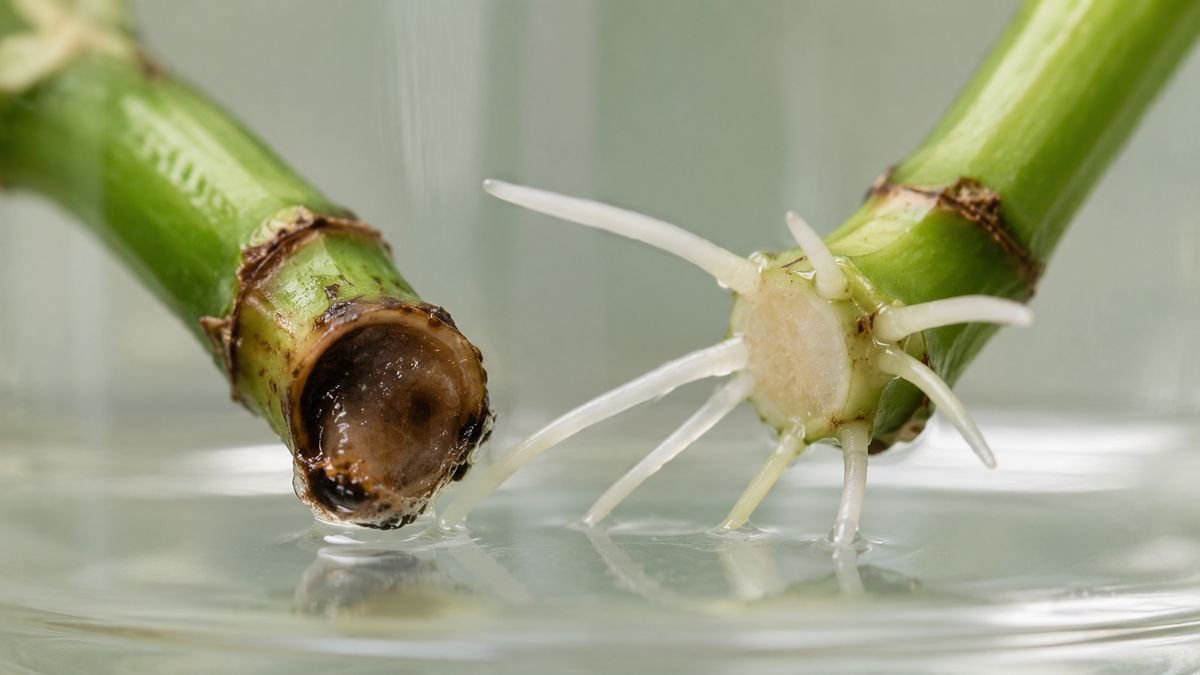
A mushy, brown, sad-looking cutting is the single most common propagation setback — and the good news is it's almost always caused by one of just four things, all of them easy to fix. Better still, a rotting cutting can often be rescued if you catch it early. Here's how to diagnose, save, and prevent rot.
What rot looks like
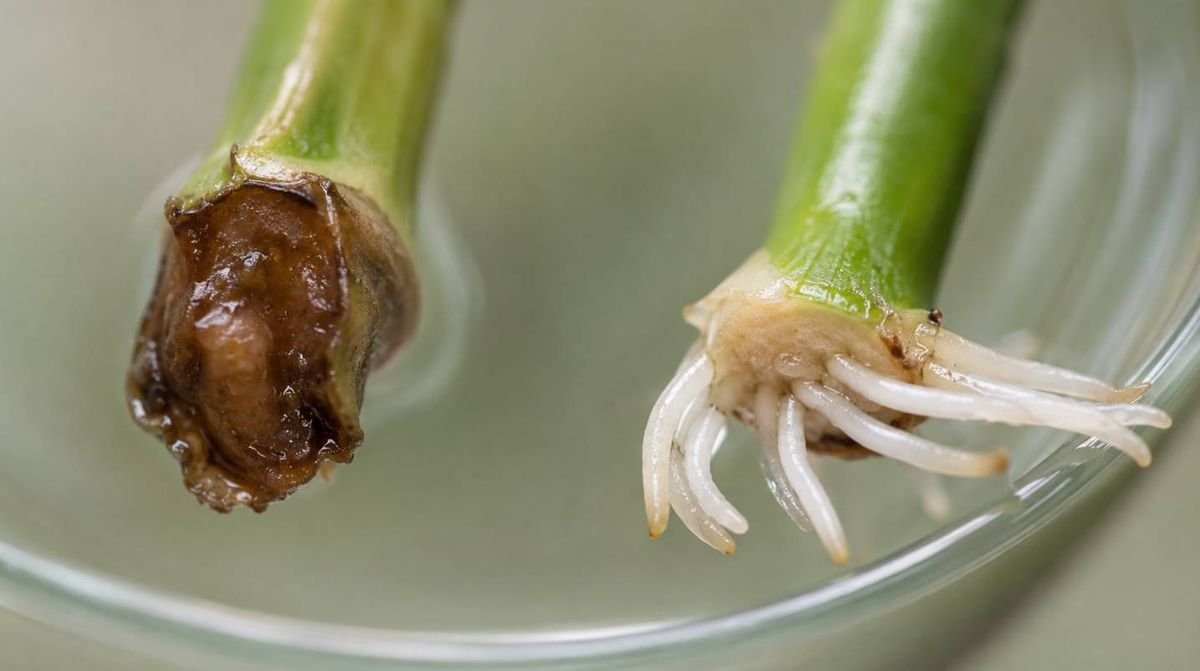
Rot shows up as a stem that's gone soft, slimy, brown or black at the bottom, instead of firm and green. In water you might see cloudy, smelly liquid and a mushy cut end; in soil, a collapsed, blackened base. Sometimes leaves yellow and go translucent too. The key distinction: healthy cuttings feel firm, rotting ones feel soft. If you can squish the stem base, rot has set in — but don't panic, because the tissue above it is often still fine.
The four real causes
Nearly every rotting cutting traces to one of these:
- Stale, oxygen-poor water. Water that isn't changed goes low on oxygen and high on bacteria — the top cause of rot in a jar. Change it every few days.
- Leaves under the waterline. Submerged leaves decay and foul the water fast, dragging the whole cutting down. Strip any lower leaves.
- Soil that's too wet. A rootless cutting can't drink much; soggy soil suffocates the stem. Use a light, airy propagation mix and keep it just damp.
- A ragged or dirty cut. A crushed or contaminated cut heals slowly and lets rot in. Use clean, sharp snips as covered in stem cuttings 101.
How to rescue a rotting cutting
Remove it and inspect
Take the cutting out and find where firm green tissue ends and soft brown rot begins.
Trim back to healthy tissue
With clean snips, cut away all the mushy part until you reach firm, healthy stem above a node.
Clean everything
Rinse the cutting, wash the jar thoroughly, and start with fresh water or fresh mix. Strip any low leaves.
Restart the clock
Return it to clean water or a light medium in bright indirect light. As long as a healthy node remains, it can still root.
Preventing it next time
Rot is one of the most preventable problems in propagation. Change water every few days, keep only the node submerged, strip lower leaves, use a light mix in soil, and always cut clean. Room-temperature, regularly refreshed water matters far more than which water you use — see tap vs filtered vs rainwater. If your cutting isn't rotting but just isn't doing anything, that's a different issue — head to our roots not growing checklist instead.
Common questions
Why do my cuttings rot instead of rooting?
Almost always stale water, submerged leaves, soggy soil, or a dirty cut. Change water often, keep only the node submerged, use a light mix, and cut clean.
Can a rotting cutting be saved?
Often yes, if caught early. Trim back to firm green tissue above a node, clean everything, and restart in fresh water or mix.
How often should I change propagation water?
Every three to five days, or sooner if it looks cloudy. Fresh water keeps oxygen up and bacteria down, which prevents most rot.
Does rooting hormone stop rot?
Not really. Hormone encourages rooting but doesn't prevent rot. Good water and cutting hygiene do. Some people use cinnamon as a mild antifungal on cut ends.