Roots Not Growing? A Troubleshooting Checklist
 Reviewed by
 Your cutting isn't rotting — it's just doing nothing, week after week. Before you give up, run this checklist. Most stalled cuttings are missing one simple thing.

Your cutting isn't rotting — it just sits there, week after week, doing absolutely nothing. Frustrating, but usually fixable. Before you give up, run through this checklist. Most stalled cuttings are missing one simple thing, and often the real answer is just "wait a bit longer."
First: is it just slow?
Before troubleshooting anything, check your expectations. A pothos roots in one to two weeks, but a snake plant or fiddle leaf fig can take one to three months — and a ZZ leaf longer still. If your cutting is a naturally slow rooter and it's only been a couple of weeks, nothing is wrong; it's just being itself. Our realistic timelines guide tells you what's normal for your plant, so you don't fix something that isn't broken.
The troubleshooting checklist
Work through these one by one — the fix is almost always here:
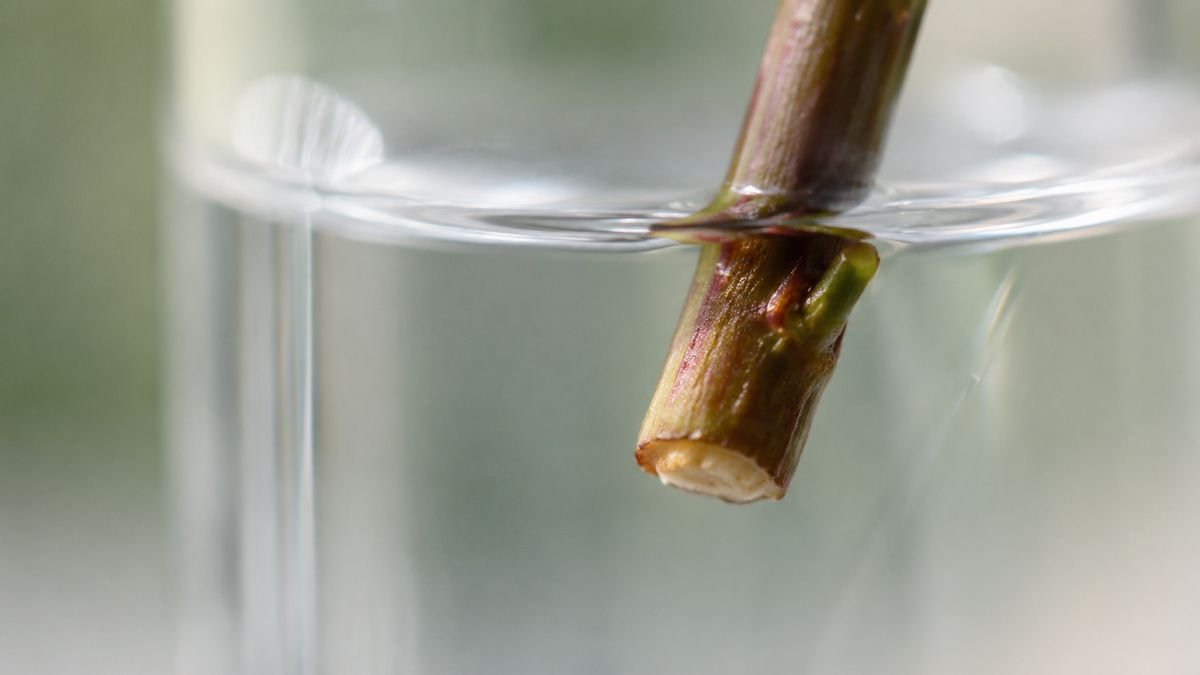
- Is there a node submerged? The most common miss. Roots only form at a node, so if none is under the water or soil, nothing will happen. Check first.
- Does the cutting even have a node? A bare leaf (pothos, monstera, philodendron) will never root. It needs a piece of stem with a node.
- Enough light? Deep shade stalls rooting. Move it somewhere brighter but out of direct sun. In dark rooms or winter, a grow light helps.
- Fresh water? Stale water slows and eventually rots cuttings. Change it every few days.
- Warm enough? Cold slows everything. Cuttings root fastest in normal room warmth; a chilly windowsill in winter drags things out.
- Right method for the plant? Some plants strongly prefer soil or moss over water. Check the plant's own guide if water is stalling.
What to change
Change one thing at a time so you know what worked. The highest-impact fixes are almost always light and warmth — a stalled winter cutting often springs to life just by moving to a brighter, warmer spot. Next, confirm the node is submerged and the water is fresh. If it still won't budge after a few more weeks, switch mediums: a reluctant water cutting frequently roots once moved to sphagnum moss, which many stubborn plants prefer.
When to restart
If a cutting has sat for well beyond its normal timeline with no roots and no rot, take a fresh cutting rather than waiting indefinitely. Sometimes a particular cutting just won't take, and a new one from healthy growth roots without a fuss. It's not failure — even experienced propagators bin the occasional dud and start again. If instead the cutting is turning soft or brown, that's rot, and our why cuttings rot guide has the rescue.
Common questions
Why won't my cutting grow roots?
Usually no node submerged, not enough light, cold conditions, or simply a slow plant. Check the node is under water, move it somewhere bright and warm, and confirm the plant's normal timeline.
How long before I should worry?
It depends on the plant. Pothos should root in one to two weeks; snake plants and figs take one to three months. Check a timelines guide before assuming failure.
Does more light speed up rooting?
Up to a point. Bright indirect light helps stalled cuttings, especially in winter, but harsh direct sun can harm them. Aim for bright but not scorching.
Should I add rooting hormone to a stalled cutting?
It can help woody, slow cuttings, but for easy plants a stalled cutting usually needs light, warmth or a submerged node, not hormone.