A Simple Propagation Soil Mix That Works
 Reviewed by
 If soil cuttings keep rotting, the soil is usually the problem. A light, airy propagation mix fixes it — and you can make a great one from three cheap ingredients.
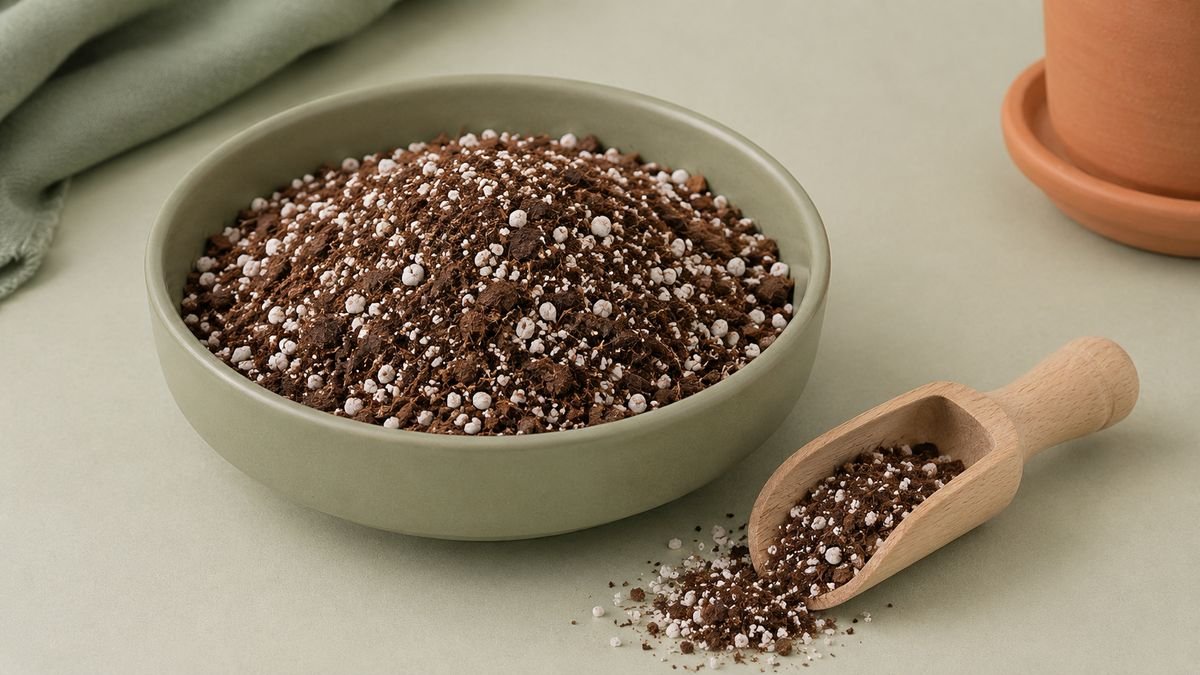
If your soil-propagated cuttings keep rotting, the problem usually isn't you — it's the soil. Regular potting mix is too heavy and holds too much water for a rootless cutting. The fix is a light, airy propagation mix, and you can make a great one from three cheap ingredients. Here's the recipe and why it works.
Why regular soil fails cuttings
Standard potting soil is designed for established plants with full root systems that drink steadily. A cutting has no roots yet, so it can't use much water — and dense soil holds moisture against the stem for days, starving it of oxygen and inviting rot. What a cutting actually wants is a medium that stays damp but drains fast and stays full of air. Ordinary potting mix does the opposite, which is why so many soil cuttings turn to mush.
What a propagation mix needs
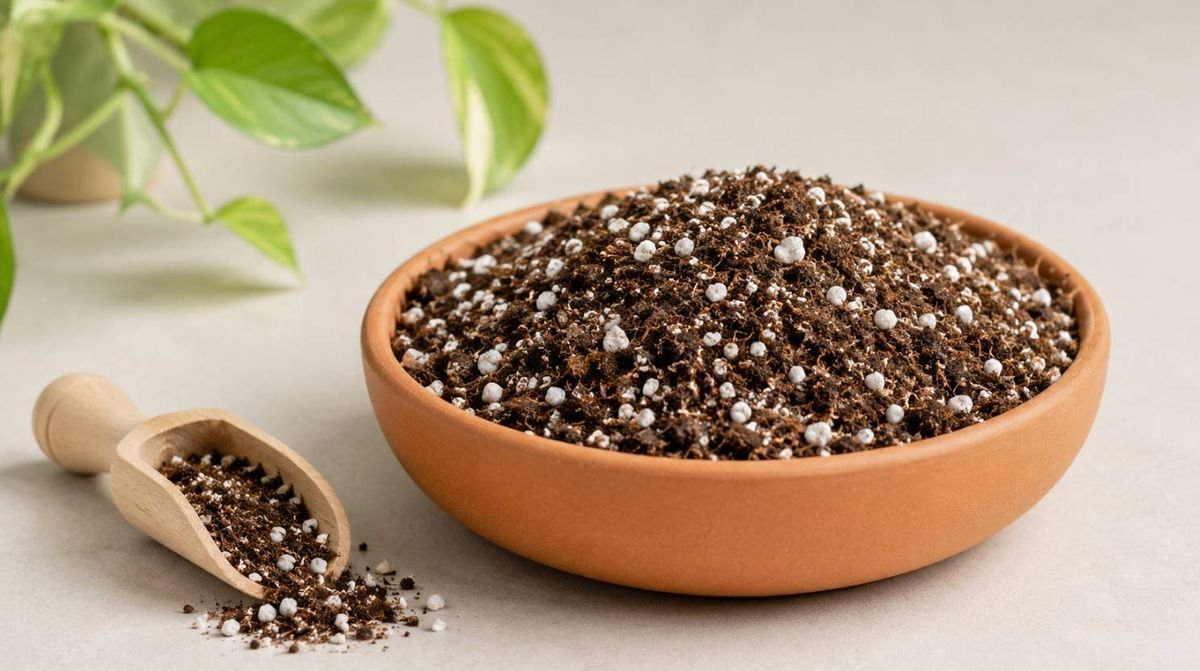
- Fast drainage — water should run through, not pool around the stem.
- Air pockets — roots need oxygen as much as moisture, so the mix must stay open and fluffy.
- Light moisture retention — damp like a wrung-out sponge, never soggy.
- Low nutrients — cuttings don't need feeding while rooting; rich soil can even burn tender new roots.
The simple recipe
This three-ingredient blend covers almost every cutting:
| Ingredient | Parts | Job |
|---|---|---|
| Perlite | 1 | Air pockets and drainage |
| Coco coir or peat-free compost | 1 | Holds gentle moisture |
| Potting mix | 1 | Structure and a little substance |
Equal parts of all three gives a light, springy medium that drains fast but stays just damp enough. If you only have two of the three, perlite plus coco coir alone still makes an excellent rooting mix — the perlite is the non-negotiable ingredient.
Mixing it, step by step
Measure equal parts
Use any scoop as your "part" — a cup, a mug, whatever. One each of perlite, coir and potting mix.
Combine dry
Tip them into a tub or bag and mix thoroughly so the perlite is evenly spread through.
Dampen lightly
Add water a little at a time and stir until the mix is evenly moist but not dripping — the wrung-out-sponge test.
Pot your cutting
Insert the cutting so the node is buried, firm gently, and keep it in bright indirect light.
Variations by plant
Tweak the ratio for what you're rooting. Succulents and cacti want it grittier — add extra perlite or coarse sand so it drains almost instantly. Moisture-loving tropicals can take a touch more coir for slightly longer dampness. And for leaf cuttings, keep it on the gritty, fast-draining side to avoid rot. The base recipe is a starting point, not a rule — once you understand that cuttings want air plus light moisture, you can adjust confidently.
Common questions
Can I use regular potting soil to propagate?
You can, but it often holds too much water and rots cuttings. Lighten it with a generous amount of perlite for far better results.
What is the best propagation mix?
Equal parts perlite, coco coir and potting mix makes a light, fast-draining medium that suits almost any cutting. Perlite plus coir alone also works well.
Do cuttings need fertiliser in the mix?
No. Cuttings don't feed much while rooting, and rich soil can burn tender new roots. A low-nutrient mix is ideal until the plant is established.
How wet should propagation mix be?
Damp like a wrung-out sponge, never soggy. Too wet and the cutting rots; too dry and roots won't form.