Mold on Your Propagation Setup: Causes & Cleanup
 Reviewed by
 That fuzzy white patch on your moss or soil looks alarming, but in most setups it's harmless and easy to clear. Here's how to tell the harmless kind from a real problem.
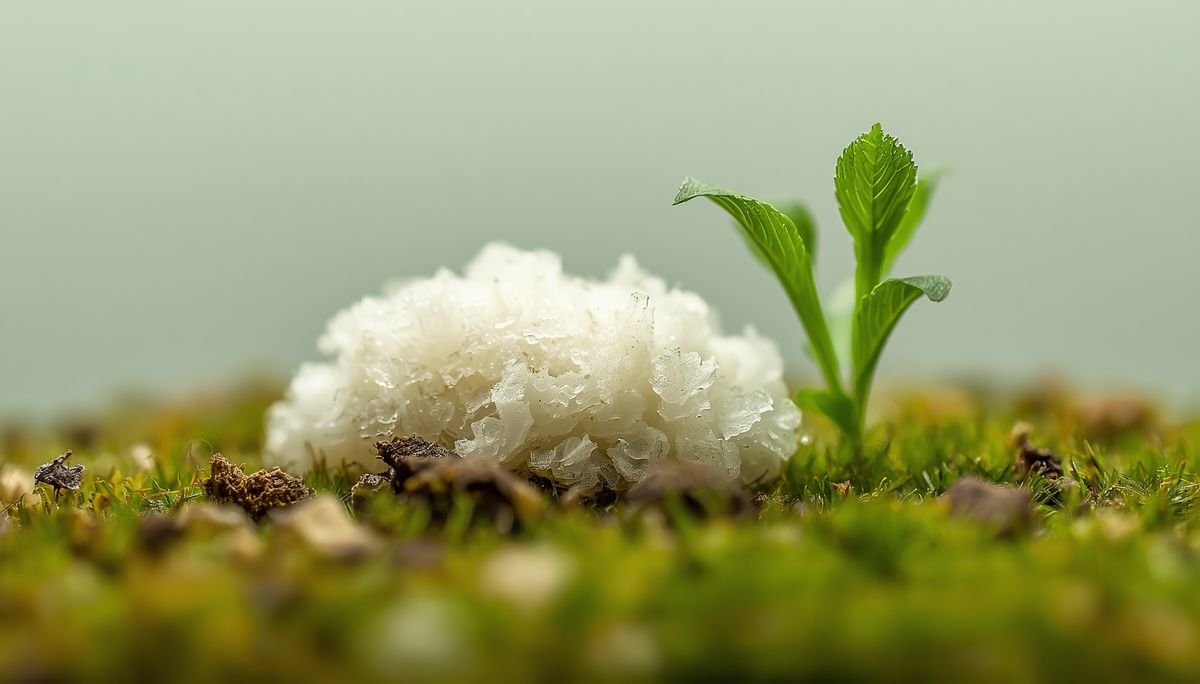
You lift the lid on your cuttings and there it is — a patch of fuzzy white growth on the moss or soil. It looks alarming, but in most propagation setups mould is harmless and easy to clear. Here's how to tell the harmless kind from a real problem, and how to clean it up for good.
Is it actually harmful?
Usually, no. The fuzzy white mould that appears on damp moss, soil, or organic debris in a humid propagation setup is typically a saprophytic mould — it feeds on decaying organic matter, not on your living cutting. It's a sign that conditions are a bit too damp and still, not that your cutting is doomed. As long as the cutting itself stays firm and healthy, a little surface mould is more of a housekeeping issue than an emergency. It's quite different from rot, which attacks the cutting directly — if the stem is going soft and brown, see why cuttings rot instead.
Mould vs algae
It helps to know which thing you're looking at, because they show up in different setups:
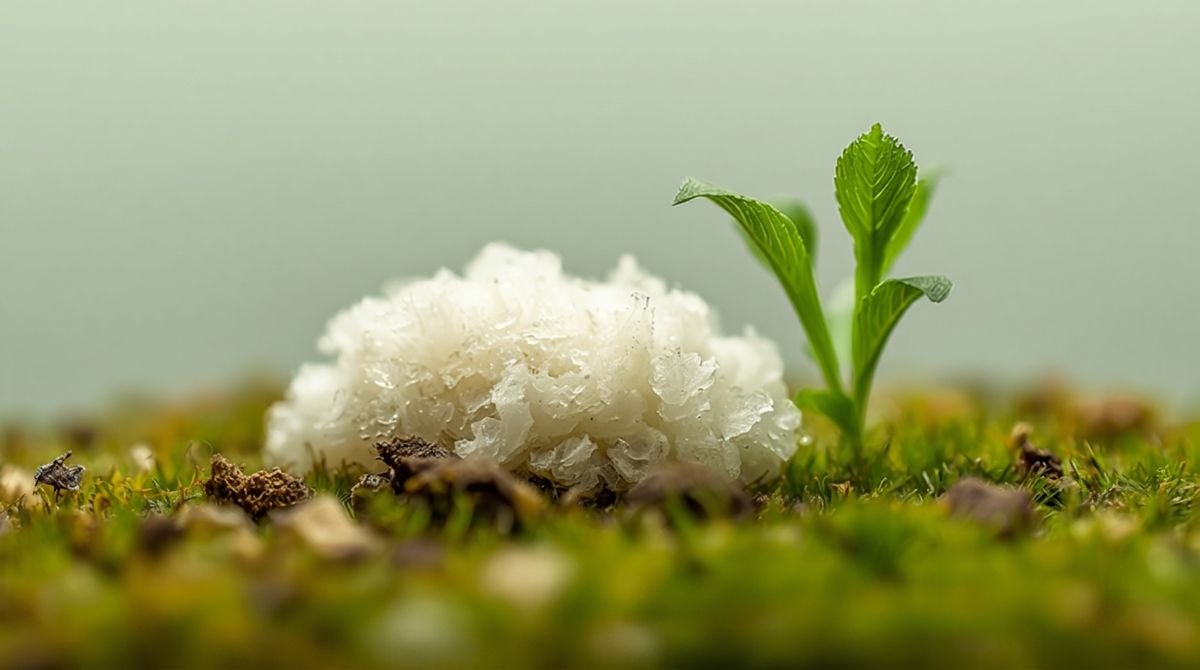
- White fuzzy mould appears on damp moss, soil, or decaying leaf bits in humid, enclosed setups. Harmless to the cutting, caused by stillness and moisture.
- Green algae grows in water jars, especially clear ones in bright light. It's the green film on the glass and water. Also mostly harmless, but it competes for oxygen and looks murky.
- Slimy black or foul-smelling growth is the one to act on — that points to rot and decay rather than harmless surface mould.
What causes it
Both mould and algae come down to the same recipe: moisture plus one other ingredient. Mould wants damp and still air, which is why it loves closed humidity boxes and bags with no ventilation, plus any decaying organic debris to feed on. Algae wants water and light, thriving in clear jars sitting in bright spots. Fix the extra ingredient — add airflow for mould, cut light and refresh water for algae — and the problem clears.
Cleaning it up
Remove the affected material
Scrape off mouldy surface moss or soil, or tip out algae-clouded water. Take away any decaying leaves feeding it.
Rinse the cutting and container
Gently rinse the cutting, and wash the jar or tub thoroughly to remove spores and film.
Restart with fresh medium
Use fresh water or fresh moss. Never reuse mouldy moss for a new batch.
Add airflow or cut light
For mould, open the box or bag more often. For algae, move the jar out of direct light or use an opaque container.
Preventing it
Prevention is mostly about balance and cleanliness. Give humidity boxes a little ventilation and air them every day or two. Change propagation water every few days so it never stagnates — fresh, room-temperature water also matters more than the source, as covered in tap vs filtered vs rainwater. Remove fallen leaves promptly, since decaying matter is mould food. And keep clear jars out of harsh direct light to stop algae. Do those few things and mould rarely gets a foothold.
Common questions
Is mould on my propagation setup dangerous?
Usually not. Fuzzy white surface mould feeds on decaying matter, not your cutting, and clears easily with more airflow and cleanliness. Slimy black or foul-smelling growth is the exception, pointing to rot.
What causes mould in a humidity box?
Too much moisture with too little airflow, plus decaying leaf debris to feed on. Ventilating the box daily and removing dead material prevents it.
How do I get rid of algae in my propagation jar?
Change the water regularly and keep the jar out of direct light, or use an opaque container. Algae needs both water and light, so removing the light stops it.
Should I throw away a mouldy cutting?
Not if the cutting itself is still firm and healthy. Clean off the mould, rinse everything, restart with fresh medium, and improve airflow. Only discard if the stem has actually rotted.