Yellowing Cuttings: What It Means and What to Do
 Reviewed by
 A yellowing leaf isn't one diagnosis — it can mean too much light, too little, a cutting spending its reserves, or just an old leaf retiring. Here's how to read it.
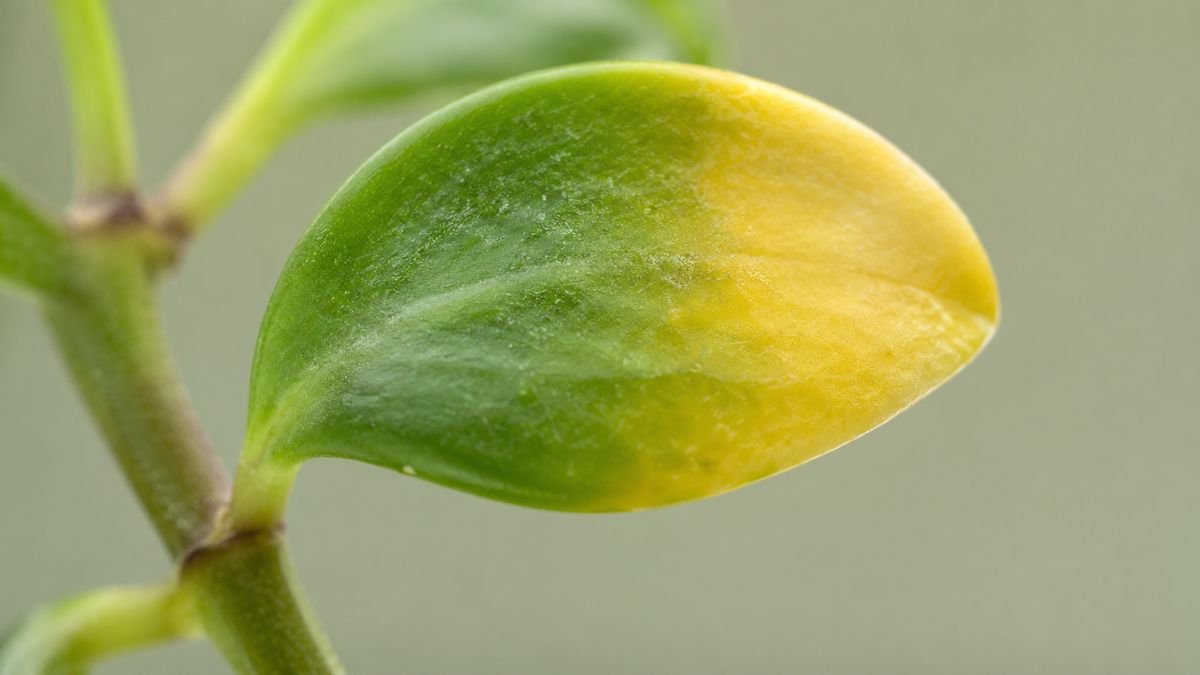
A yellowing leaf on a cutting sends most people into a panic — but yellow isn't a single diagnosis. It can mean too much light, too little, a cutting spending its reserves, or simply an old leaf being retired. The trick is reading the pattern to work out which. Here's how to decode it.
Yellow isn't one problem
Leaves turn yellow when their green chlorophyll breaks down, and that can happen for several very different reasons — some harmless, some worth acting on. So before you change anything, look at which leaves are yellowing and how. Is it the oldest lower leaf or the new top growth? All over or just the edges? Sudden or gradual? Those details point straight to the cause, which is why "my cutting is yellow, help" needs a bit of detective work rather than a single fix.
The five causes
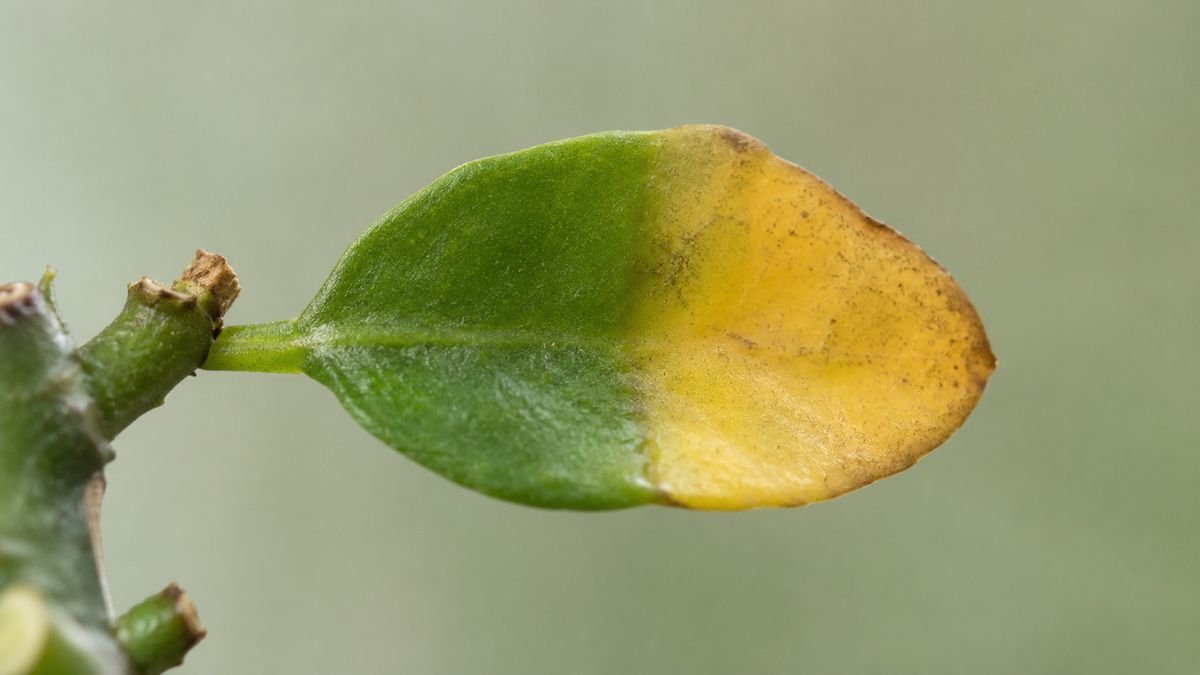
- Old leaf being sacrificed. A rootless cutting sometimes ditches its oldest, lowest leaf to redirect energy into roots. Totally normal.
- Too much light. Harsh direct sun scorches and yellows leaves, often with pale, bleached or crispy patches.
- Too little light. Deep shade slowly yellows leaves as they can't photosynthesise enough — usually a gradual, overall fade.
- Energy drain. Rooting takes energy, and a cutting living off its reserves may yellow a leaf or two along the way, especially if it's slow to root.
- Long spell in plain water. Water has no nutrients, so a cutting left rooting for a very long time can slowly yellow as it runs low.
How to tell which it is
| What you see | Likely cause |
|---|---|
| Only the oldest lower leaf, cutting otherwise fine | Normal sacrifice — no action |
| Bleached, crispy, pale patches | Too much / direct light |
| Slow, overall fade in a dim spot | Too little light |
| A leaf or two while rooting slowly | Energy drain — usually fine |
| Gradual yellowing after many weeks in water | Nutrient-poor water — pot it up |
When yellow is normal
Here's the reassuring part: a single lower leaf yellowing while the rest of the cutting looks healthy is almost always fine. The cutting is simply prioritising root growth over keeping every leaf. As long as the stem is firm, new growth looks good, and it isn't rotting, you can let that old leaf go without worry. Panic only if yellowing is spreading fast, hitting new growth, or paired with a soft stem.
What to do
Match the fix to the cause. If it's too much light, move the cutting somewhere bright but out of direct sun. If it's too little light, shift it closer to a window or add a grow light, especially in winter — our grow lights guide covers the sweet spot, since too much light yellows just as easily as too little. If it's a long-standing water cutting going pale, that's your cue to pot it into soil where it can feed. And if it's just an old leaf, do nothing. When a cutting yellows and isn't rooting, work through the roots not growing checklist to rule out the common stalls.
Common questions
Why is my cutting turning yellow?
It has several possible causes: an old leaf being sacrificed, too much or too little light, energy spent while rooting, or a long spell in nutrient-poor water. Read which leaf and what pattern to find the cause.
Is a yellow leaf on a cutting bad?
Not necessarily. A single lower leaf yellowing while the rest looks healthy is usually a normal sacrifice. Worry only if it spreads fast, hits new growth, or the stem goes soft.
Should I remove yellow leaves from a cutting?
You can gently remove a fully yellow leaf so it doesn't decay in water, but leave partially green ones, as they still feed the cutting.
My whole cutting is yellowing — what now?
Widespread yellowing points to a light problem or a cutting that's been in plain water too long. Adjust the light, or pot it into soil so it can feed, and check it isn't rotting.